Safe baby sleep – What is important?

Find out from our expert how you can promote safe baby sleep.

Carolin Braun-Rechlin

Family counselor at “Familie auf Herzhöhe”, mother and author.

Baby crib, family bed or perhaps the own little bed? This question is probably asked by many parents who are concerned with the "optimal" baby sleep and a safe sleeping environment. This article is intended to help you not only ensure safe baby sleep and also get enough sleep yourself, but also to have a relaxed coexistence.

Table of Contents

  • Crib, Co-Sleeping, Bedsharing
  • How do babies sleep safely?
  • 10 tips for safe baby sleep

Crib, Co-Sleeping, Bedsharing – where should the baby sleep?

Many opinions circulate about the parenting topic "crib." It is often recommended that an infant sleep on their own sleeping surface but in the same room during the first months of life. This model is also called co-sleeping. This seems safer for many, as some parents need to get used to sharing the bed first. However, sleeping on a shared surface is considered more natural and safer. This, in turn, is called bedsharing.

Whether a parents' bed or their own crib – it is important that you discuss this together with your partner and also consider your child's needs for the ideal sleeping environment.

How do babies sleep safely?

Before going into the various points in more detail, a note that the mentioned content can only serve to minimize risk factors when it comes to suffocation or sudden infant death, a topic that often concerns parents. Not all questions about possible causes and risks of sudden infant death – also called SIDS – have been clarified yet. However, there are protective factors that you can consider in the sleeping situation.

  • Do not let babies sleep alone

    To quickly respond to the child's needs, such as hunger or comfort, it is advisable to rarely let the baby sleep alone in the first months. Most babies do not need absolute silence and feel much more comfortable when they hear that they are not alone. This also allows for quicker reaction to initial restlessness, which usually ends in waking up. Additionally, the sleep position can be checked more quickly, which is also an important aspect for safe sleep.

  • The correct sleeping position

    Many babies prefer the prone position. This is understandable and not uncommon, as it gives them a sense of security. However, the prone position is also considered particularly risky¹. Accordingly, care should be taken to ensure that the supine position is maintained during sleep – especially when the baby sleeps alone.

  • Do not "shut off" a child while sleeping

    If the child falls asleep while out and about, you naturally want to let them sleep. A natural instinct is to "shield" the child by hanging a cloth or blanket over the stroller, baby carrier, or car seat. However, this carries the risk of overheating. When the child is asleep, they do not notice that they are overheating. Additionally, it can lead to CO² rebreathing. In this case, the child inhales the air they have already exhaled again and is thus supplied with less oxygen.

10 Tips for Safe Baby Sleep

Here are additional tips that you can generally pay attention to:

Foldable content

Solid base:

Your baby has a safe sleep when the mattress does not give way too much. Therefore, do not take any risks with waterbeds, sofas, pillows, or similar items.

Responsiveness of the parents:

No alcohol, medication, or drug influence on the parents, so that you can quickly respond to your child's needs.

No smoking:

Smoking in any form – passive smoking, cold smoke, but also the residues on the Clothing Line, hair, hands, and surfaces – is harmful to the child.

Room temperature:

The optimal room temperature is between 16°C and 18°C.

Optimal heat:

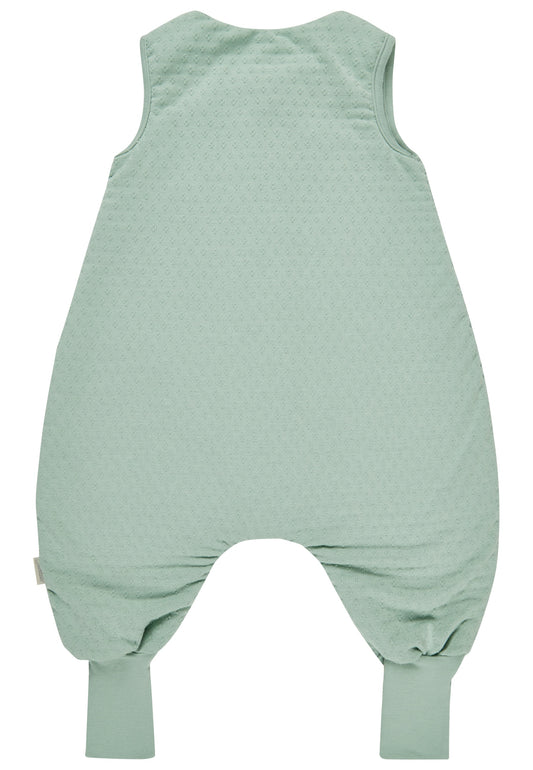
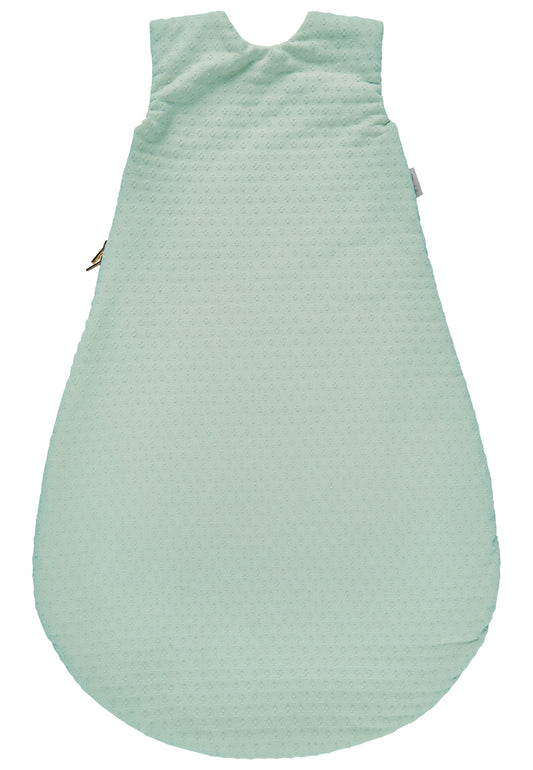
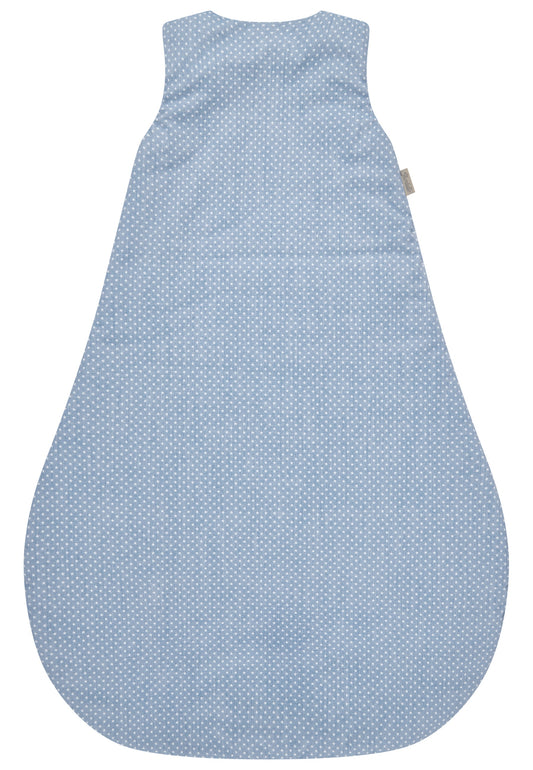
The child should not overheat while sleeping. Avoid head coverings, too much Clothing Line, blankets, or Sleeping Bags with an inappropriate TOG value.

Tip: You can also read more about the meaning of the TOG value in the magazine article "TOG Values".

Suitable Sleeping Bag:

Choose the optimal sleeping bag depending on the room temperature. It should not be too warm and not too cold. In addition, an exact fit is extremely important so that the infant does not slip down into the sleeping bag while sleeping.

Tip: In the article “Baby sleeping bag: What should you wear underneath?” you will learn how to dress your baby so that it neither freezes nor sweats.

Avoid blankets:

A blanket can wrap around the child during sleep, which can lead to overheating.

Free lying area:

The lying surface should be as empty as possible. Avoid stuffed animals, pillows, toys, or similar items in the sleeping area.

Sufficient space:

If you have a family bed, make sure that each family member has enough space.

The pacifier:

It is recommended that children who are not breastfed sleep with a pacifier. However, it is perfectly fine if your baby wants to sleep without a pacifier.

With these tips, you can provide your child with a safer environment for sleeping. If your child shows any abnormalities while sleeping, consult your pediatrician or your midwife.


For parents, it is often difficult to find the optimal approach. Often, the external environment causes a lot of uncertainty, which can lead to enormous pressure and stress. Pay attention to what feels right for you, your partner, and the child.

Sources:
¹ "The correct prone position"
(https://www.springermedizin.de/emedpedia/detail/paediatrie/ploetzlicher-kindstod?epediaDoi=10.1007%2F978-3-642-54671-6_19)

² "Do not “isolate” child while sleeping"
(Scientific study on this: TASK FORCE ON SUDDEN INFANT DEATH SYNDROME. SIDS and Other Sleep-Related Infant Deaths: Updated 2016 Recommendations for a Safe Infant Sleeping Environment. Pediatrics 2016; 138(5). https://publications.aap.org/pediatrics/article/138/5/e20162938/60309/SIDS-and-Other-Sleep-Related-Infant-Deaths-Updated)

Back to the magazine