Tog values
We explain to you what the TOG value for sleeping bags means: ✓ Definition ✓ Sleeping bag: TOG table ✓ What to put on something under a sleeping bag. Inform now!
Last searched Delete
Popular searches

Last searched
Popular searches

TOG is a unit of measurement that represents the thermal resistance of textiles: 1 TOG is equal to 0.1 m² K/W. The higher the thermal resistance, or TOG value, the warmer the Sleeping Bag. The right TOG value depends on the room temperature at which your baby sleeps. The optimal room temperature is between 16–18 °C.


The Sleeping Bag with 0.5 TOG is perfect for warm summer nights and room temperatures above 24 degrees. It is unlined and offers pure breathability to reduce overheating and sweating on hot nights. A Sleeping Bag with a low TOG rating of 0.5 provides minimal insulation, meaning it retains less heat. It is also lightweight and compact, making it perfect for travel or backpacking.
A 0.5 TOG offers versatile uses, as it can also be combined with a warmer Sleeping Bag as an additional layer during colder seasons.
The Sleeping Bags are made from skin-friendly materials such as cotton or bamboo, which are not only gentle on the skin but also durable and easy to care for.

A Sleeping Bag with a 1.0 TOG is perfect for spring or autumn nights at room temperatures between 18 and 24 degrees. It provides balanced insulation for your child in mild temperatures, keeping them warm enough without retaining too much heat. The 1.0 TOG rating is versatile, as these Sleeping Bags are flexible enough to adapt to changing temperatures.
Although they provide slightly more insulation than Sleeping Bags with a lower TOG rating, 1.0 TOG Sleeping Bags are still made from breathable materials to allow good air circulation and prevent overheating.
As with all Sleeping Bags, the quality of the materials is particularly important. High-quality fabrics such as cotton or bamboo provide a pleasant feel against the skin and enhance sleep comfort.

The 1.5 TOG Sleeping Bag is suitable for temperatures between 10 and 20 degrees. These temperatures are ideal for spring and autumn or milder summer evenings, when temperatures may be cool but are not extremely low. The Sleeping Bags provide optimal temperature management, as they are designed to offer adequate thermal insulation without causing overheating. They regulate body temperature during sleep and ensure a good sleeping experience.

A Sleeping Bag with a 2.0 TOG is ideally suited for room temperatures of 18–22 degrees. It is highly versatile, as it can be used at different temperatures as needed while providing optimal comfort. The Sleeping Bag is absorbent and particularly breathable, supporting air circulation so your child can sleep comfortably. It also protects your child from overheating and ensures good ventilation.

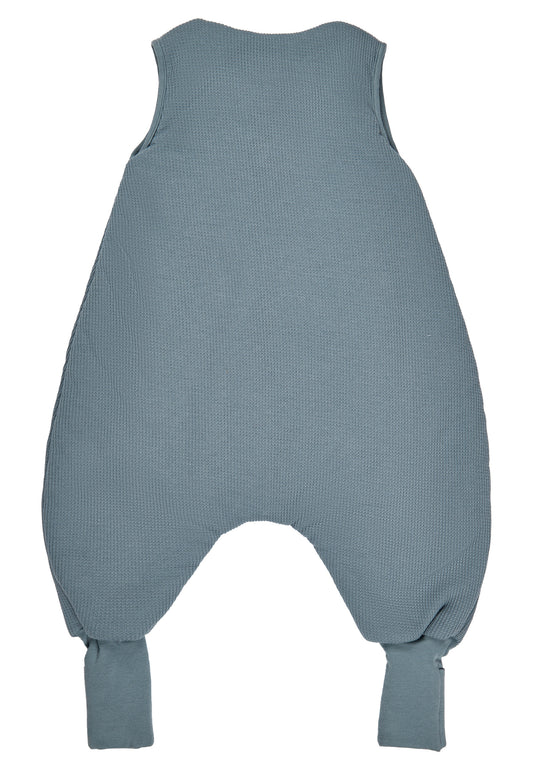
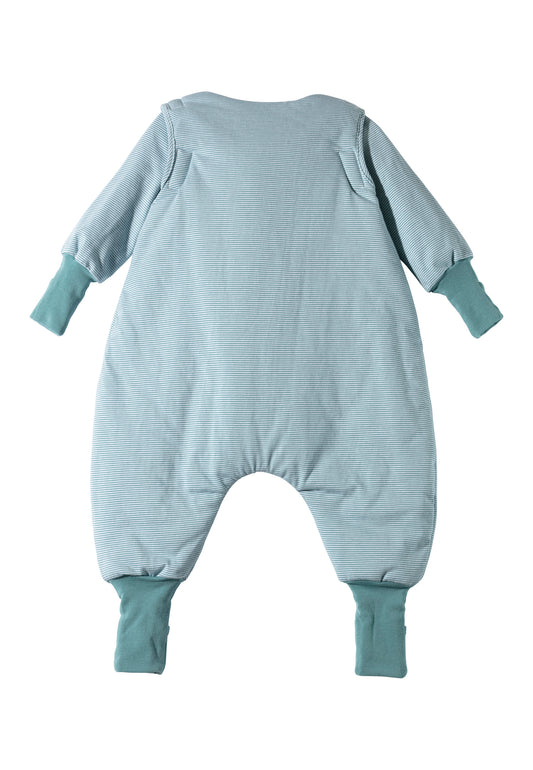
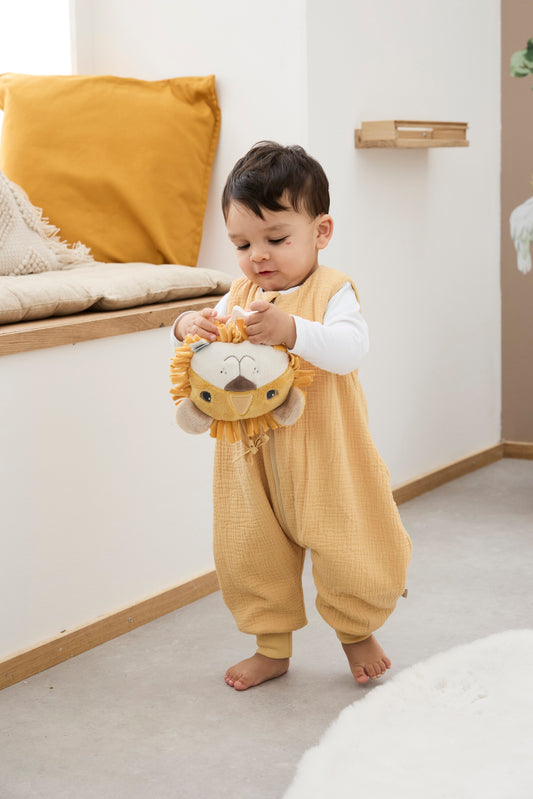
Lightweight all-season sleeping bags for temperatures of 16–20 degrees. The Sleeping bags with legs are often made from soft organic cotton; they keep your baby comfortably warm all night while being featherlight and breathable. Above all, look for high-quality textiles; breathable cotton is best suited to creating a comfortable sleep environment for your child.
They give your child plenty of freedom of movement, so they can dream undisturbed.

Sleeping Bags with a TOG rating of 3.0 are ideal for cool room temperatures. They provide medium insulation and are well suited to rooms with cooler to moderate temperatures. For example, they can be used in a Sleeping Bag without additional heating during the cooler months. The Sleeping Bag offers good thermal resistance, retaining sufficient warmth and protecting your child on cool nights. It is therefore suitable for both indoor and outdoor use. The Sleeping Bags are made from breathable materials that allow good air circulation and help prevent overheating despite their thermal resistance.

A Sleeping Bag with a 3.5 TOG is perfect for cold winter nights at room temperatures below 18 degrees. It provides strong protection against the cold, helping to protect your child from hypothermia while still allowing good air circulation.


Free delivery
for orders of €40 or more

Purchase on invoice
and other payment methods

Fair production
with verified social criteria

High quality
multiple certifications

Rocket launch for our new products
Discover our new space collection, exclusive and available now 🚀